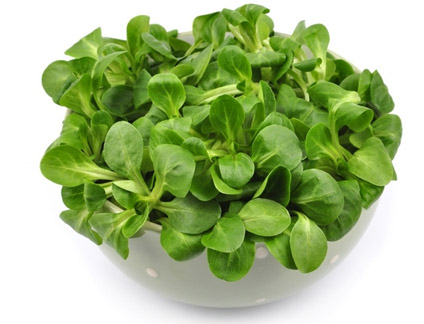
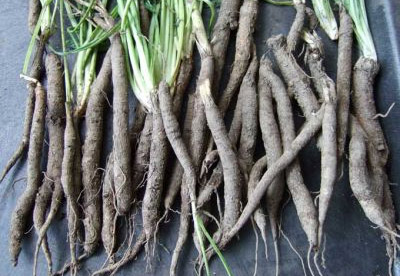
Intensive cultivation enables high yields to be obtained. Many amateur gardeners face the problem, how to store vegetables over the winter. Some types of vegetables winter well in the ground. Belong to them: for, Brussels sprouts, scorzonera, spinach, lamb's lettuce. Cut parsley leaves off the ground, and the leaves of the leeks just need to be shortened a little, then the beds are covered with straw and leaves, which facilitates harvesting in frosty weather. It is more difficult to store frost-sensitive species. Therefore, vegetables should be sorted at harvest and only perfectly healthy should be selected for storage, not damaged, for every wound is the starting point of rotting. Vegetables should be dry and not dirty with earth. You also need to know about it, that high nitrogen fertilization reduces the shelf life of vegetables and must be terminated early enough. The basic condition for storing vegetables is to protect the vegetables from frost. Onions and garlic are best stored in dry rooms, e.g. in attics. However, many other vegetables require high air humidity, e.g. cabbage -90…95%, root vegetables – 95…98%. Finer vegetables – carrot, parsley, hyzop, leek - it is most convenient to lay it in the sand, sticking a row of roots down like this, so that only a little leaf sticks out. Potatoes and beets should be stored on a dry sand base or on boards (better in boxes or cardboard boxes with holes). High temperature in high humidity, what prevails in heated cellars, however, it causes rapid rotting.