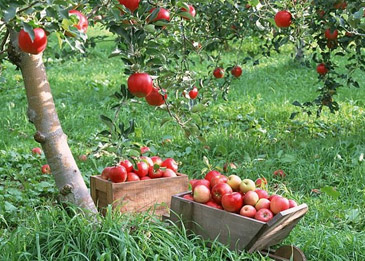
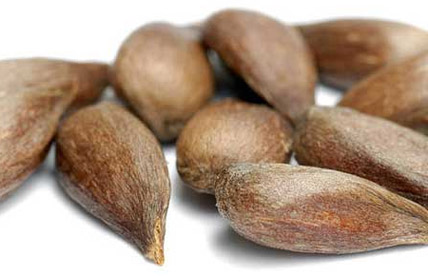
 The fruits of the pome trees are then harvested, when the seeds turn brown. Crush the collected fruit, then rinse with a stream of water.
Well-formed seeds are heavier and fall to the bottom of the barrel or trough, and the shredded flesh of the fruit flows out.
The use of sieves with the appropriate mesh density facilitates the separation of seeds from the crushed fruit flesh.
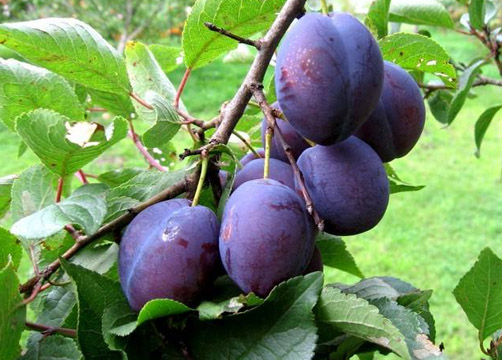
The fruit of stone trees should be harvested in the period of browning, before reaching full maturity. Harvested fruits are poured in shaded places into layers approx 10 cm. After a few days, the soiled fruits soften. They must not rot or ferment during this time. Separating the seeds from the pulp should be carried out very skillfully and quickly. This is done by crushing or crushing the fruit, and then rinsing with water on the sieves. Keeping the seeds in water for a long time and bad cleaning of the flesh from the flesh has a very negative effect on the usefulness of the seeds. Thoroughly cleaned seeds of stone and pome trees should be quickly dried to the level of humidity specified in the standard (14-18%). It is best to dry them in a shaded and airy place, at a temperature of 30-35 ° C. The seeds intended for marketing should be healthy in appearance and color, shine and smell characteristic of the proper species.
Healthy seeds have a shiny and smooth shell, and the embryo is white with a fresh smell.
Particular attention should be paid to the most important characteristics of the seeds as: service life, cleanliness, humidity and weight 1000 pieces. The value of seeds is most often determined by the strength and energy of germination. The seeds of fruit trees require a longer post-ripening period to germinate (from 80 do 150 days). Without germinating seeds, it is difficult to make such an assessment of their value. On the other hand, an assessment of the viability is performed, which determines the health condition of seeds, which determines their germination and further development. The viability of seeds is expressed as the percentage of viable seeds in relation to the number of tested seeds. Dead seeds can be distinguished by their external appearance, not capable of sprouting. In laboratories, seed viability is usually determined by two methods: dye and Tukey. The amount of seeds obtained from 100 kg of fruit of individual species of mother trees depends on their weight and fruit size, as well as their numbers in single fruits.