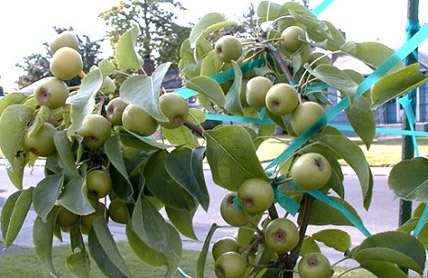
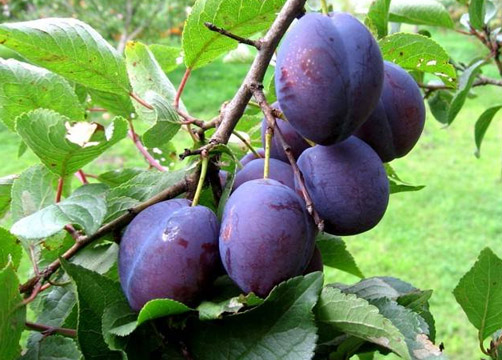
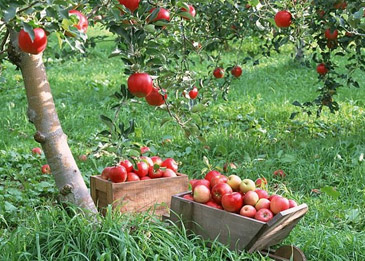
Poland is a country located quite far to the north and has a relatively short and cool growing season. The average summer temperatures are a few degrees lower than the regions, from which most of the fruit plants we grow come from. The number of hours of sunshine is also lower. The growing season in Poland is sufficiently warm and long for the cultivation of berries, cherries, sweet cherries, pear trees of summer and autumn varieties, as well as plum and apple trees, except for the latest varieties. There is too little heat in summer for the production of wholesome peaches, grapevines, apricots and winter pear varieties. In the north of the country, the growing season is the coldest. There, therefore, special attention must be paid to the thermal requirements!species and varieties planned for cultivation, because it determines the cultivation results.
Spring frosts can cause serious damage to fruit plantations. This is especially true of early flowering species, and therefore stone trees and currants, especially the black ones. The greatest threat from frosts occurs in the south-west and west of the country, where the growing season begins earlier.
However, the position decides the size of the damage caused by frosts, on which the orchard is located.
Hail and gusty winds also do great damage to fruit plants. Therefore, planting orchards in areas frequently affected by hail should be avoided.
On the other hand, orchards can be protected against winds by installing fast-growing tree covers from the windward side.