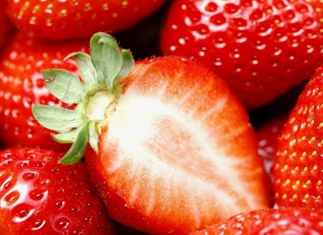
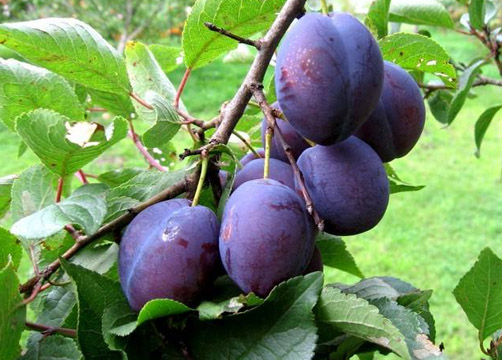
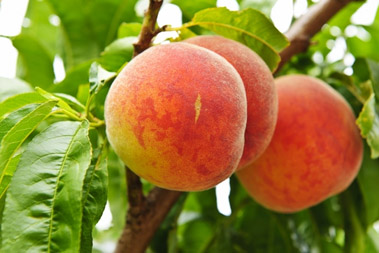
Stone fruit: cherries, cherries, plums, apricots and peaches are harvested several times from one tree. They become very sweet if left on the tree longer. Therefore, it is recommended to delay harvesting, but the fruit must not be allowed to rot and fall. Strawberries should be picked every other day, avoiding the midday harvest. Do not collect in rain and heat, because they lose their shine, color and aroma and they are perishable. The fruit should be completely colored. Otherwise they will be non-grown, immature, sour and not very aromatic. The collection of currants begins when all the berries in the cluster are ripe, which is easily determined by their taste and color. Harvesting red and white currants is usually carried out once, tearing them off with whole clusters. Black currants, on the other hand, are harvested twice, picking ripe clusters and single berries, to prevent them from falling.
Gooseberry fruit, depending on their intended use, it is harvested unripe, semi-ripe and ripe. Ripe fruit is harvested for immediate consumption and for wine and musts. On the other hand, unripe and semi-matured are used for jams, compotes, marmalades and preserves.
Raspberries ripen unevenly, so the collection is carried out several times. Only these fruits should be harvested, easy to remove from the bottom of the flower. Raspberries cannot be overheated, because they fall off easily and lose their nice appearance.