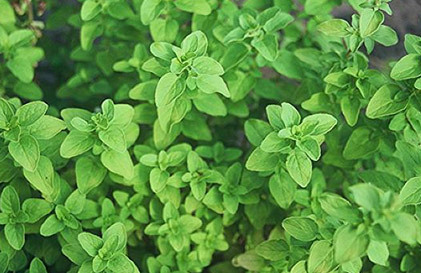
A natural barrier to the spread of diseases and pests is the large variety of crops in home and allotment gardens, as well as the own resistance of well-cared for and well-fed plants. This is all the more important, that the use of chemical preparations on the plot is hampered by small plant clusters, and the commercially available packaging is too large for amateurs. On the other hand, the use of chemical plant protection products is justified in the event of a mass appearance of a disease or pest. All treatments should then be carried out over the largest possible area, e.g. on all allotment gardens or in several adjacent home gardens.
In the ornamental garden, young plants are subject to gangrene (the so-called. black leg disease). Often gangrene also occurs on seedlings in the ground, in frames and in boxes with seedlings in the apartment. They can be prevented by sufficiently ventilating the room, where plants grow. Effective protection is also provided by dry dressing seeds with seed dressing T or with Funaben T mortar.. For this purpose, the seeds are thrown into the can with a dose of mortar, he closes the can and by shaking it mixes yes, so that they are thoroughly covered with powder. The substrate for the production of seedlings should be disease-free, it can be peat or sand, and if you need compost soil – it must be steamed. At home, it can be poured with boiling water in a pot, maintaining high temperature for approx. 15 min (not to cook) or toast in the oven.
Ornamental plants are often affected by powdery mildew. Inadequate cultivation favors the development of the disease, poor soil, lack of water and too high plant density. Downy mildew appears in the form of a fluffy coating on the lower side of the leaf, in contrast to powdery mildew, which in the form of a thick gray coating is visible first at the ends of the shoots, and then on both sides of the leaves. It is recommended to remove and burn infected plant parts, under no circumstances should they be thrown into the compost. Infested specimens should also not be used for reproduction. However, it must be emphasized, that most species of ornamental plants are resistant to diseases and pests, allowing regular protection, as must be the case with vegetable crops, is not necessary.