Garden lands
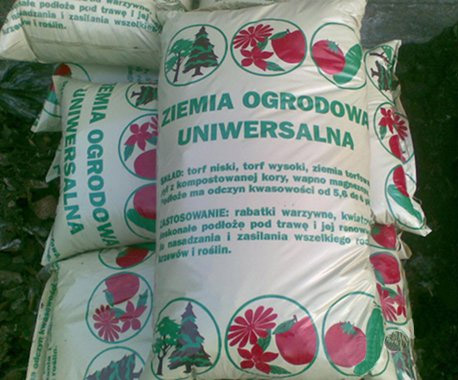
substrates used for growing horticultural plants.
peat
it is formed from the remains of mosses and various plants. T. tall, composed mainly of sphagnum moss, is light, very sour, low in nutrients, free from pathogens. It is used as a medium or added to mixtures to loosen and acidify them. T. low is more rich in nutrients, less acidic, but has less organic matter. It is used to loosen the soil and increase its water capacity.
Turf land
it is obtained by composting a few centimeters of soil from the field after papilionaceous plants (e.g. alfalfa, clover), turf from the meadow or soil from molehills in the meadow. It is heavy and sour. Used for mixtures for some potted plants and for filling the holes when planting some perennials.
Dung land
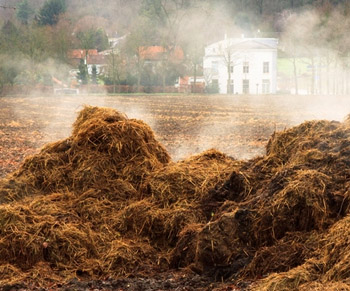
is made by composting different types of manure. Its reaction is indifferent. It is one of the most rich in nutrients in garden lands. It is added to various mixtures.
Compost soil
is formed by composting organic waste. It is rich in nutrients, and especially in micronutrients. It is a universal substrate for growing plants.
Leaf earth
it is formed as a result of composting the leaves of trees and shrubs: birches, of beech trees, clones, linden and poplar. It is loose, and its reaction is indifferent. A good substrate for growing orchids, pineapples and anthuriums.
Heather land
comes from the moors. It is acidic and low in nutrients. It is added to mixtures for growing azaleas, rhododendrons and briar.
 Garden lands